
By Low Handicap Golf | Updated August 2026
Disclosure: This article contains affiliate links. If you purchase through one of these links, Low Handicap Golf may earn a commission at no additional cost to you.
A premium putter is one of the safest clubs to buy used. Unlike a driver, its performance does not depend on a face that has absorbed thousands of high-speed impacts, and a proven head shape does not become obsolete when a new model arrives. That makes pre-owned Scotty Cameron putters especially appealing: the craftsmanship, balance and resale demand remain, while the first owner absorbs much of the original cost.
The important decision is not simply whether to buy a blade or mallet. Toe hang, neck style, alignment, length, head weight and grip can change how naturally the face returns to square. The five families below cover distinct stroke types and visual preferences. Because individual used clubs sell quickly, our links lead to live 2nd Swing inventory rather than a single one-off listing.
Our Top 5 Used Scotty Cameron Putters for 2026
1. Special Select Newport 2 — Best Classic Blade
Best for: Golfers with a slight-to-moderate arc who prefer clean lines and direct feedback.
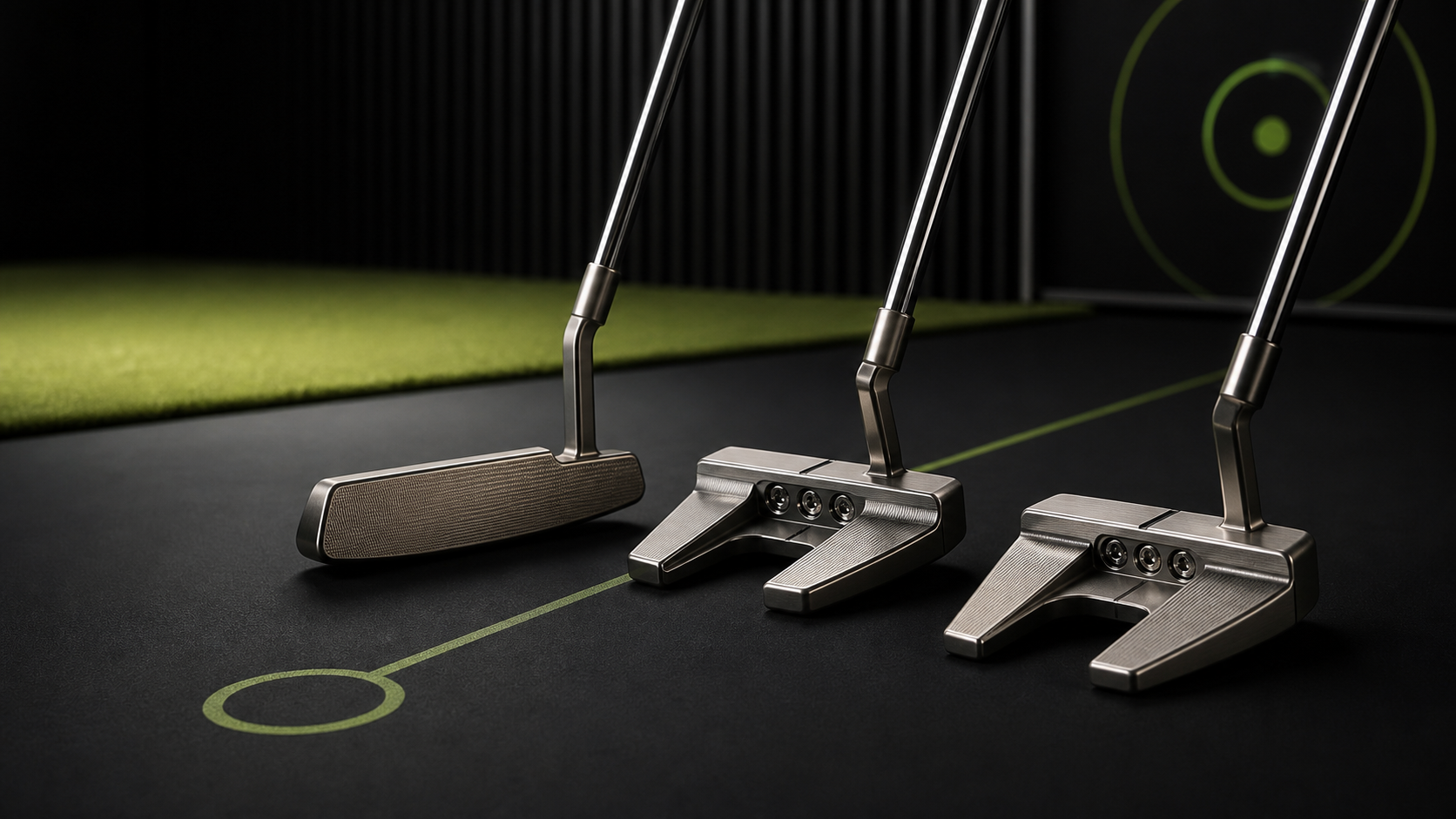
The Newport 2 is the reference point for the modern Anser-style blade. Its squared bumpers, crisp topline and plumbing neck create a familiar setup that appeals to players who aim with the face rather than a large alignment structure. The Special Select generation is particularly attractive used because it delivers the milled feel and compact appearance buyers expect without requiring the newest-model premium.
Check before buying:
- Confirm length; a 33-inch and 35-inch build can feel dramatically different.
- Inspect the topline and face for damage rather than worrying about ordinary sole wear.
- Check whether the original grip and headcover matter to you as a player or collector.
- Avoid an aggressively modified neck or shaft unless the specifications are documented.
Compare Live Used Newport Inventory →
2. Phantom 5.5 — Best Compact Mallet for an Arcing Stroke
Best for: Players who want mallet stability without giving up toe flow.
The Phantom 5.5 combines a compact winged head with a short slant-style neck. That pairing gives the putter more visual and perimeter stability than a blade while retaining rotation for golfers whose stroke naturally opens and closes. It is a strong bridge model for someone who likes the release of a blade but wants more help on slight mishits.
Check before buying:
- Do not confuse the 5.5 with face-balanced or center-shafted Phantom variants.
- Verify the sight-line configuration and neck style shown in the listing.
- Inspect the aluminum and steel sections for dents or signs of careless refinishing.
- Confirm that any oversized grip still allows the face to release naturally.
Shop Used Phantom 5.5 Putters →
3. Phantom 7 Series — Best for Alignment and Stability
Best for: Golfers who want a larger visual footprint and resistance to twisting.
The Phantom 7 family uses extended wings and strong alignment geometry to frame the ball and stabilize the head. It is the safest recommendation here for the golfer who struggles to start putts on line or loses speed control when impact drifts away from center. Different neck options materially change the toe hang, so the exact suffix matters as much as the head shape.
Check before buying:
- Match the neck and toe hang to your stroke rather than choosing by appearance.
- Look for complete, straight alignment markings with no distracting touch-up paint.
- Confirm head weight and shaft length if the putter was altered.
- Compare standard, dual-bend and slant-neck versions before ordering.
See Live Phantom 7 Inventory →
4. Fastback — Best Mid-Mallet
Best for: Golfers who find a full mallet bulky but want more forgiveness than a Newport.
The Fastback occupies a useful middle ground. Its rounded mid-mallet shape provides more mass behind and around the impact area, yet it remains compact enough for players who dislike large wings. Used Fastbacks from several generations can offer excellent value because the core shape and purpose have remained relevant.
Check before buying:
- Identify the exact generation because face construction and neck options vary.
- Make sure the alignment style suits how you aim.
- Confirm the sole plate and weights are secure and authentic to the model.
- Prioritize correct length and lie over cosmetic perfection.
Compare Used Fastback Models →
5. Squareback 2 — Best Blade-to-Mallet Transition
Best for: Blade users who want a wider head and added stability without radical visuals.
The Squareback 2 keeps recognizable blade proportions but stretches the body from front to back. That extra footprint can improve confidence and forgiveness while preserving a plumbing-neck presentation. It is a smart option for the golfer who aims a Newport well but wants the head to feel calmer through impact.
Check before buying:
- Verify the neck is straight and the face has not been aggressively refinished.
- Inspect cavity, sole and topline photos for damage beyond ordinary bag wear.
- Confirm the grip, shaft band and headcover only if originality affects your decision.
- Test a wider head shape locally if you have only played narrow blades.
Shop Used Squareback Putters →
How to Choose a Used Premium Putter
Fit the Stroke, Not the Status
A famous model is not automatically the correct model. Players with more face rotation often fit some toe hang; straighter strokes may prefer less. Alignment is equally personal. Some golfers aim a clean topline beautifully, while others need a long sight line and larger frame.
Length Changes Everything
Length affects posture, eye position, arc and perceived head weight. Do not buy a bargain 35-inch putter with the assumption that cutting it down is free. Shortening can alter swing weight and may require a new grip or additional head weight.
Condition Versus Collectibility
For a gamer, face condition, straightness and specifications matter more than a perfect sole. For a collectible, originality, finish, grip and headcover matter considerably more. Decide which kind of buyer you are before paying a premium for cosmetic details that will not lower your score.
Final Verdict
The Special Select Newport 2 is the best starting point for golfers who want traditional blade feedback. The Phantom 7 family is the safer choice when alignment and stability are the priorities, while the Phantom 5.5 gives an arcing stroke a mallet that still releases naturally. Buy the neck, length and alignment system that fit you—not simply the head that looks best in a tour bag.
Used inventory, specifications and condition change constantly. Verify every listing before purchasing. Low Handicap Golf may earn a commission through links on this page, but recommendations are based on fit, value and intended use.
Leave a Reply