
By Low Handicap Golf | Updated May 2026
Twenty yards sounds like a lot until you understand where the yardage actually comes from. It’s not from swinging harder — that’s the first thing to get out of your head. Golfers who chase distance by simply trying to swing harder almost always end up shorter, not longer, because tempo and contact suffer faster than clubhead speed improves. Real, lasting distance gains come from a specific combination of mechanics, equipment optimization, and physical preparation, each contributing yards that stack on top of each other in ways that compound surprisingly quickly.
Here’s a realistic picture of where 20 yards comes from: three to five yards from fixing your attack angle and launch conditions, four to six yards from optimizing your driver setup (loft, shaft, ball), five to eight yards from building genuine swing speed through proper technique and overspeed training, and three to five yards from improving your physical rotation and flexibility. None of those individual gains is spectacular. Together, they’re transformative.
This guide covers all four areas — and the specific products that support each one.
Section 1: Swing Mechanics — Fix These First
Attack Angle: The Most Overlooked Distance Variable
The single highest-leverage swing fix for distance is one most golfers have never been told about: your angle of attack with the driver. A driver hit with a descending blow — like you’d play an iron — generates excessive backspin that kills carry distance. Every degree of descending attack can cost three to four yards of carry. Conversely, hitting up on the driver by two to three degrees can add six to eight yards over a descending strike at the same swing speed.
To promote an upward attack angle: move the ball forward in your stance (inside the front heel), tee it higher so at least half the ball sits above the crown of the driver at address, and feel like your weight is slightly behind the ball through impact. The sensation should be hitting the ball on the way up rather than driving down through it.
The checkpoint: If your driver divots on range mats, your attack angle is the problem before anything else.
Maximize Rotation, Not Arm Speed
The most powerful source of clubhead speed in the golf swing is hip and shoulder rotation — not arm speed. Golfers who generate distance primarily through arm speed have a ceiling they hit very quickly. Golfers who drive rotation efficiently can continue to add speed through better sequencing and physical development.
The movement sequence that generates maximum speed: hips initiate the downswing by clearing left and forward, the torso follows, and the arms and club release as a consequence of that rotation rather than leading it. The feeling is your body pulling the arms through the hitting zone rather than the arms swinging independently.
The drill: Practice slow-motion swings focusing exclusively on hip rotation — feel the lead hip clearing left and forward before your shoulders begin to unwind. The release should feel effortless when the sequence is correct, not forced.
Widen Your Arc
A wider swing arc means more distance for the club to accelerate before impact. The biggest arc destroyers are a bent lead arm through the backswing and a narrow, arms-only takeaway that keeps the club close to the body. Keep the lead arm extended (not locked, just straight and firm) and make a conscious effort to extend the club away from your body in the takeaway — the clubhead should trace a wide, sweeping path, not a tight, cramped one.
Release and Follow-Through
Holding off the release through impact — a common attempt to steer the ball straight — kills clubhead speed at exactly the moment when it should be at its peak. Let the forearms rotate through the hitting zone naturally. The correct feel, to most golfers who’ve been holding off, is that you’re going to flip the club hard to the left. The actual result is a straight, high-velocity release that adds yards without adding any physical effort.
Section 2: Equipment Optimization — Get Your Numbers Right
Distance is partly a swing problem and partly an equipment problem. Launch monitor data consistently shows that a majority of recreational golfers are losing three to eight yards simply because their driver isn’t set up for their swing. Getting this right costs nothing if you own an adjustable driver — it’s just time on a launch monitor.
Loft Optimization
The single most common driver setup mistake is playing too little loft. The marketing push toward 9-degree drivers looks powerful in advertisements, but for the vast majority of golfers with swing speeds below 105 mph, under-lofted drivers produce low-launching, high-spinning ball flights that bleed distance. Optimal loft for swing speeds in the 85–100 mph range is typically 10.5 to 12 degrees.
If your driver has an adjustable hosel, set it a full degree higher than you currently use and track the difference over a few sessions. The ball will launch higher and carry further before landing — that’s the correct response.
Shaft Optimization
A shaft that’s too stiff for your swing speed prevents the face from squaring at impact, producing pushes and fades that reduce carry distance and add sidespin. A shaft that’s too soft causes the head to overtake the hands, producing inconsistency. Getting on a launch monitor with a qualified fitter to test two or three shaft options at different weights and flex profiles is the single highest-ROI equipment change available to golfers who haven’t been fitted.
Specifically for distance: lower kick-point shafts launch higher and suit moderate swing speeds; higher kick-point shafts produce lower, more penetrating flights and suit faster swing speeds. Weight also matters — lighter shafts (45–60g) increase swing speed for most golfers with average tempo.
Ball and Driver Matching
A golf ball that doesn’t match your swing speed and driver loft creates unnecessary spin and costs carry distance. Golfers using premium high-compression tour balls with moderate swing speeds are leaving yards on the table. The mid-compression balls (Tour Soft, TaylorMade Tour Response) that match swing speed better often add yards simply by producing more optimal spin rates off the driver face.
Section 3: Physical Fitness — Speed Is a Skill You Can Train
The most validated insight in distance development over the last decade is simple: swing speed is trainable. It’s not a fixed attribute determined by body type or age. Through specific overspeed protocols and rotational strength development, golfers at every level have demonstrably added meaningful swing speed within a single season of focused training.
Overspeed Training
Overspeed training works by using lighter-than-normal implements to train your neuromuscular system to move at faster velocities. When you return to your standard driver after overspeed work, your body retains some of that higher speed. Studies show average speed gains of 10.5% for golfers completing consistent overspeed protocols — that’s eight to twelve mph of additional swing speed for most mid-handicappers, which translates to fifteen to twenty-five additional yards of carry.
The protocol is not complicated: three sets of swings with progressively lighter implements, three days per week, ten to fifteen minutes per session. Consistency across a full season matters more than any individual session.
Rotational Strength and Flexibility
Hip and thoracic (upper back) rotation are the two physical limiters for most recreational golfers. Stiff hips prevent full hip clearance on the downswing; a restricted thoracic spine limits shoulder turn and reduces the separation between hips and shoulders — the “X-factor” that stores and releases power. Targeted stretching and strength work in these areas adds swing speed without any mechanical change.
Practical exercises: hip flexor stretches held for 60 seconds each side, thoracic rotation exercises (open books, quadruped rotations), and rotational cable or band work that mimics the golf swing movement pattern.
Section 4: Products That Actually Deliver Distance
1. SuperSpeed Golf Training System — Best for Adding Swing Speed
Price: ~$179 (Men’s Set)
The most validated overspeed training system available, used by over 1,000 tour professionals and 300,000+ golfers worldwide. Three progressively weighted speed sticks paired with a free app-guided protocol deliver an average swing speed gain of 10.5% across documented training sessions. This is the only training aid on this list with the controlled-study data behind it — and the results are consistent across age groups and handicap levels. If you commit to the three-sessions-per-week protocol for a full season, this is where the most yards come from of any single investment on this page. Phil Mickelson is the most high-profile advocate. The speed gains are real, they persist, and they translate directly to driver carry distance.
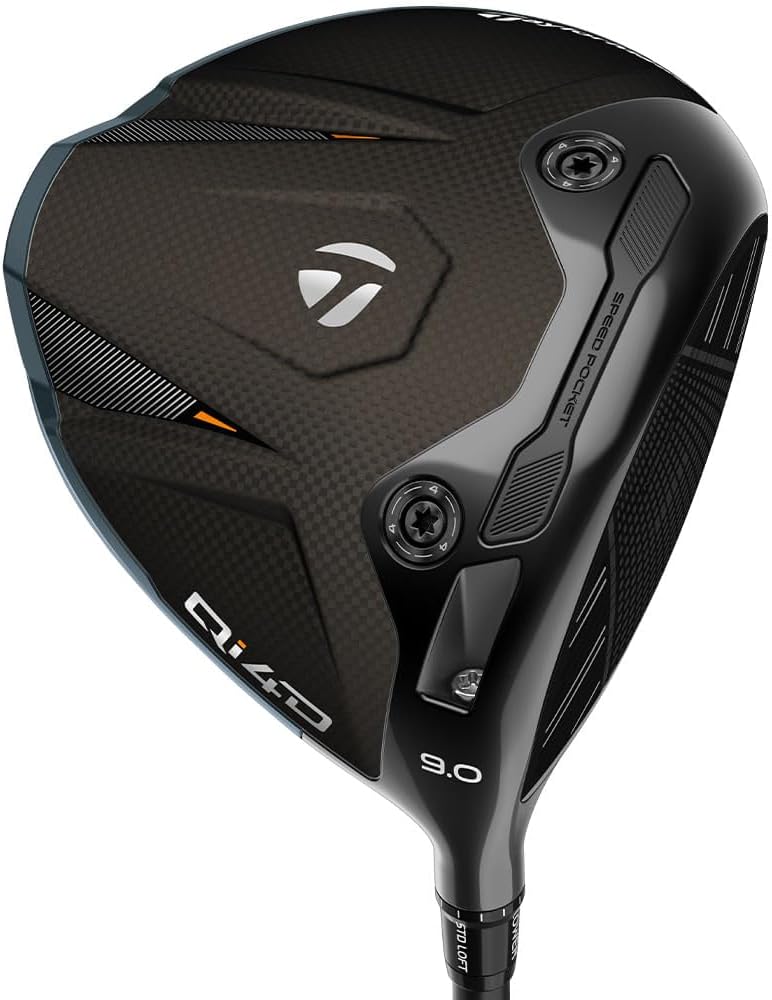
2. TaylorMade Qi4D Driver — Best Driver for Distance in 2026
Price: ~$649
The best overall distance driver in 2026 independent testing, finishing in the top tier for distance, accuracy, and forgiveness simultaneously in MyGolfSpy’s comprehensive 42-model test. The four movable TAS weights allow you to tune the center of gravity for your natural shot shape, the carbon face delivers consistent ball speeds across a wide impact area, and the aerodynamic head shape maximizes clubhead speed through the downswing. Used by Scottie Scheffler, Rory McIlroy, and Tommy Fleetwood — the most-played driver among the world’s top golfers in 2026. If equipment is contributing to your current distance deficit, the Qi4D is where to start the upgrade conversation.
3. Callaway Quantum Max — Best for High Swing Speed Distance Gains
Price: ~$599
Named first for distance in Callaway’s strongest 2026 iron and driver lineup — the Quantum family’s dominance in 2026 independent testing is unmatched by any single brand’s model range. The Tri-Force face construction produces best-in-class ball speed consistency across the face, which directly translates to better average distance (not just peak distance). For golfers with swing speeds of 90+ mph who want maximum carry, the Quantum Max competes at the absolute ceiling of 2026 driver performance. The adjustable hosel lets you dial in the launch conditions that work with your attack angle improvements from Section 1.
4. Lag Shot 7-Iron — Best Swing Trainer for Sequence and Speed
Price: ~$120
Named Golf Digest’s Editors’ Choice Best Swing Trainer, the Lag Shot’s flexible shaft forces the correct downswing sequence — lower body initiating, arms following, clubhead releasing last — which is the exact movement pattern that maximizes speed and produces the ascending driver strike that adds carry. Because you can hit real golf balls with it, the feedback loop is complete. The sequence improvements that translate from Lag Shot practice directly address the most common mechanical reasons recreational golfers underperform their physical potential off the tee. Use it for 20 minutes before any range session focused on driver distance.
Putting It All Together: Your 20-Yard Roadmap
The realistic path to 20 additional yards isn’t mysterious, but it does require addressing multiple areas rather than hoping one fix delivers everything:
Week 1–2: Get on a launch monitor. Know your current swing speed, attack angle, launch angle, and spin rate. Identify whether your driver loft and shaft are optimized. Most golfers discover three to five yards here simply by adjusting loft up one degree and confirming shaft flex.
Month 1: Start the SuperSpeed overspeed protocol three times per week. Commit to the full program rather than sporadic sessions — the neuromuscular adaptation requires consistent stimulus. Begin Lag Shot work before range sessions to ingrain the sequence that generates maximum speed.
Month 2–3: Add rotational flexibility work — hip flexor stretches and thoracic rotation exercises daily. These take under ten minutes and produce measurable improvements within weeks.
Month 3 onward: Track your swing speed every few weeks. Most golfers see the first meaningful speed increases around the six-week mark of consistent overspeed training. Use that new speed with the correct attack angle and optimized equipment setup.
The golfer who follows this roadmap — optimized equipment, improved attack angle, consistent overspeed training, better rotational mobility — regularly adds 20 yards or more within a single season. Not from one magic swing tip, but from compounding small improvements across four areas that each contribute yards the others can’t.
Final Verdict
There are no shortcuts to 20 additional yards — but there are clear, proven pathways that work for golfers at every level. Fix your attack angle first, because a descending driver strike can cost more yards than any single swing fix can recover. Optimize your loft and shaft through a launch monitor session, because equipment mismatches are silently costing most golfers distance they should already have. Train your swing speed with the SuperSpeed system, because speed is genuinely trainable and the data behind overspeed protocols is the most compelling in golf fitness research. And use the Lag Shot to ingrain the sequence that turns physical speed into actual ball speed.
Twenty yards is within reach for virtually every golfer reading this. The question is which of the four areas to address first — and the answer is almost always the attack angle, followed immediately by the equipment fitting.
Low Handicap Golf may earn a commission through affiliate links on this page at no additional cost to you. All product recommendations are based on independent research and real-world testing.
 Low Handicap Golf
Leave a comment